
Printed E-commerce Mailer
Self-locking corrugated format for branded DTC shipping, available with inside and outside printing.
View Product →
We design corrugated mailer boxes around your product size, packed weight, insert needs and fulfillment workflow — so the box protects the shipment, packs efficiently and avoids paying for unnecessary empty space.

A mailer can look correct on a screen and still fail in a packing line. Too much internal space increases movement and can increase parcel volume. Too little clearance makes assembly slow, damages printed edges or puts pressure on the product.
Before we recommend board or artwork coverage, we define the physical shipment: the product dimensions, packed weight, number of items per box, insert requirement, shipping route and how your warehouse or 3PL will pack the order.

The right structure depends on how the box is packed, opened, returned and transported. We recommend the simplest structure that solves those requirements without adding unnecessary board or finishing.
For standard DTC orders where fast manual assembly, clean presentation and tape-free box erection are priorities.
For brands that want a defined opening path and cleaner customer access. Return-ready adhesive features can be considered when the fulfillment model requires them.
For bottles, kits and mixed products that should not move freely. The insert and outer mailer are developed as one packout rather than as separate parts.
When weight, fragility or route conditions exceed what a presentation mailer should carry, we increase board strength or move the job to a dedicated shipping carton.
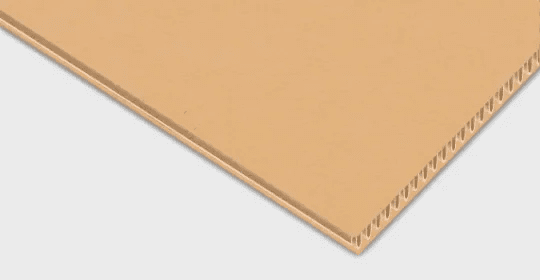
Flute selection is not a style choice. It changes stiffness, folding behavior, print surface and the finished external dimensions of the mailer. For most projects we begin with E-flute or B-flute, then escalate only when the packed weight or route requires more protection.
| Board option | When we consider it | Primary trade-off |
|---|---|---|
| E-Flute | Smaller or lighter products where tight folds and a cleaner print surface matter. | Compact profile; less cushioning than thicker flute. |
| B-Flute | Heavier products, larger spans or shipments that need more stiffness and cushioning. | More protection; larger folded profile. |
| C / EB / stronger construction | Projects with higher load or rougher handling where a standard branded mailer is no longer enough. | Protection increases, but so do material use and parcel volume. |
Final board choice should be confirmed on the real size and packout. The same flute can behave differently as the box footprint, product weight and insert geometry change.
Parcel carriers may charge by the space a package occupies as well as its actual weight. A box that is unnecessarily long, wide or deep can therefore create a recurring logistics cost on every shipment.
We build the internal size around the real packout, not around a generic stock dimension. The goal is controlled clearance — enough for packing and protection, but not a large air gap.
Board thickness, insert walls and closure panels all affect final external dimensions. These are considered before the dieline is approved, not after the cartons arrive.
Mailer boxes ship flat before use. Blank size, pallet count and warehouse storage should be part of the specification when quantities move into wholesale production.
Confirm product and packed weight, including accessories, tissue or retail cartons that stay inside the mailer.
Add only the working clearance needed for loading, insert fit and corrugated fold behavior.
Pack the real product into a physical sample and check closing pressure, movement and edge condition.
Approve the dieline only after the packout works. Then artwork is finalized against the confirmed structure.
A box that protects the product but slows the warehouse is still the wrong box. We treat assembly, loading and closure as part of the structural brief.
Self-locking layouts should fold predictably without excessive force or repeated adjustment. Tight tolerances that look neat in CAD can become a packing problem in production.
If a 3PL adds tissue, inserts, samples or documentation, the box should leave enough working access for that sequence rather than only fitting the final packed dimensions.
Standard tuck closures, tear strips and optional return-seal features should be selected from the customer journey and operational need — not added as decorative features.
Mailer packaging gives you two large communication surfaces, but full coverage is not automatically the best specification. We quote print coverage based on what the customer sees, how the box travels and the cost level you need to hold.
For wholesale programs where brand recognition matters more than full-surface graphics.
Keep the shipper exterior controlled and use the inside for instructions, campaigns, QR codes or a second brand moment.
For subscription, launch, PR and DTC programs where the mailer itself is a major customer-facing touchpoint.
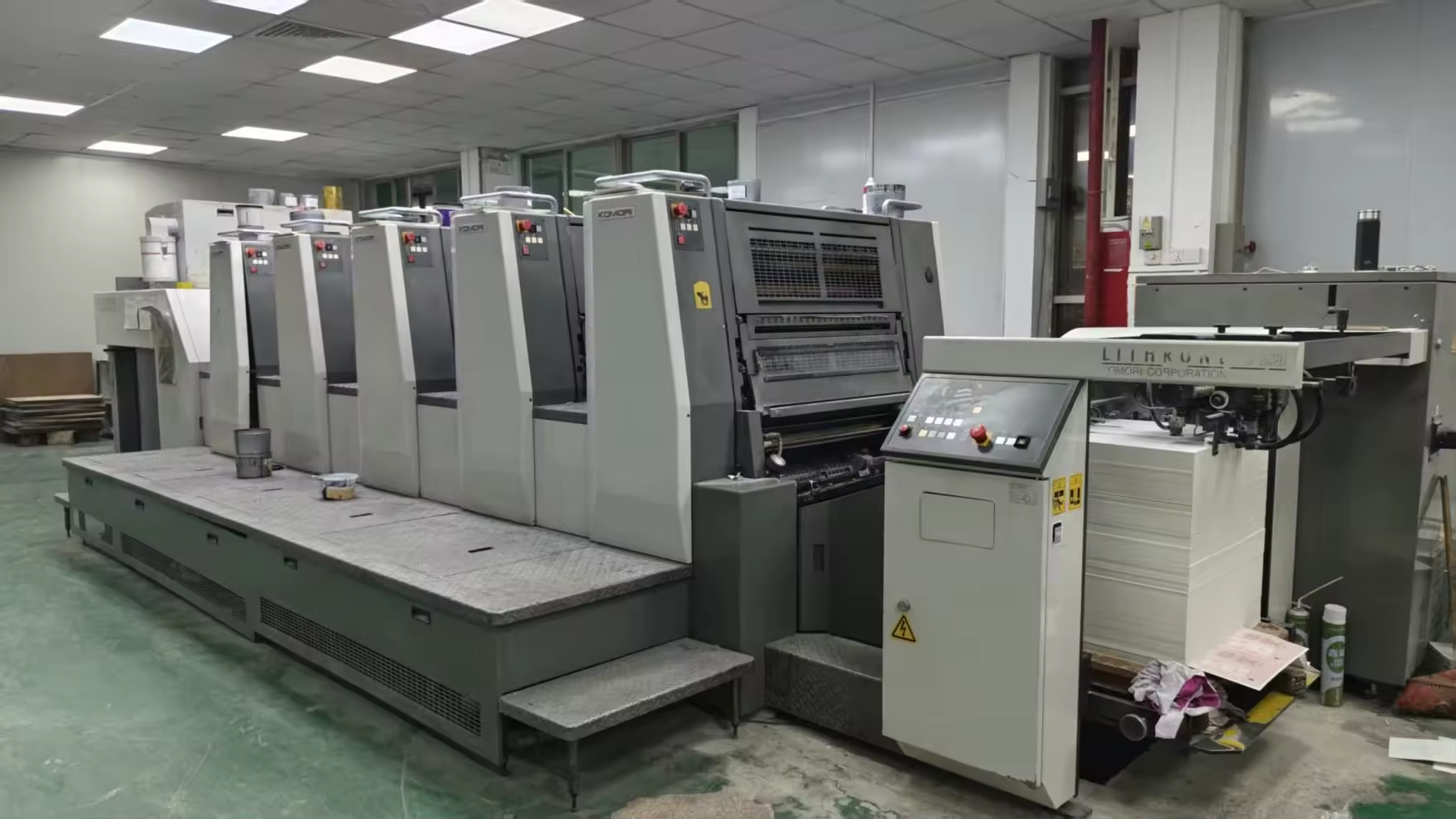
Yingye supports CMYK, Pantone/PMS, flexographic and offset printing. We recommend the print method after the board, liner, artwork complexity and run size are defined.

If a bottle, device or multi-piece kit moves inside the mailer, simply making the outer box thicker may not solve the real problem. Internal support should be designed around how the product can shift, collide or concentrate load.
For heavier items or sets that need stronger location control while keeping the packout primarily paper-based.
For lighter bottles, cosmetics, stationery and kits where organized presentation matters more than heavy cushioning.
For sensitive products requiring more localized cushioning or precise cut-outs. Use only where the protection need justifies the extra material.
For programs that need molded product location with a paper-forward material strategy, subject to tooling and project volume.
Do not force every shipment into a branded mailer. When load, stacking or logistics risk becomes the dominant requirement, a dedicated corrugated shipping carton may be the better engineering decision.
| Decision factor | Custom Mailer Box | Shipping Box / RSC |
|---|---|---|
| Primary job | Direct-to-consumer delivery with a strong customer-facing surface. | Transport protection, stacking and logistics efficiency. |
| Typical structure | Die-cut, self-locking folder / mailer. | Slotted or heavier-duty corrugated carton, typically tape sealed. |
| Best fit | Apparel, cosmetics, kits, smaller goods, subscription and branded DTC orders. | Heavier goods, master cartons, multi-unit shipping and higher transit loads. |
| Brand area | High — outside and inside print are both practical options. | Usually secondary to transport performance, though branding is still possible. |
| When to upgrade | If the mailer needs excessive board thickness, large void fill or an outer carton to survive the route, we reassess the complete shipping format rather than continuing to over-build the mailer. | |
Start from a proven mailer structure, then adapt the dimensions, board, inserts and artwork to the real packout and fulfillment requirement.
Self-locking corrugated format for branded DTC shipping, available with inside and outside printing.
View Product →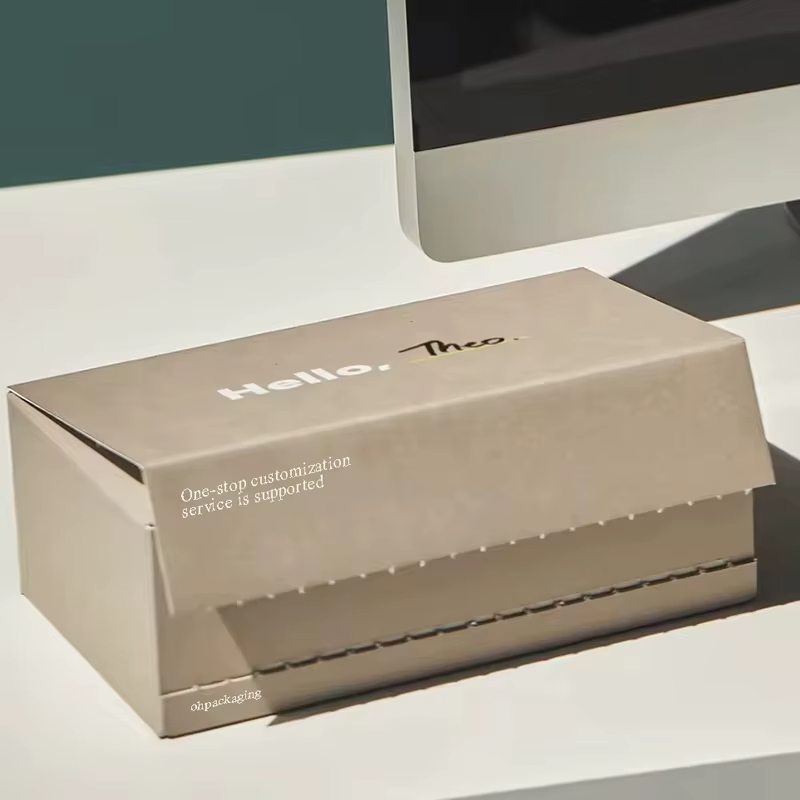
Designed for controlled opening and e-commerce handling where the opening experience is part of the specification.
View Product →
Natural kraft positioning with custom size, outside logo printing and optional inside graphics.
View Product →
For programs where product dimensions, brand graphics and run size require a fully custom dieline rather than a stock mailer.
Browse Mailer Products →For mailer projects, the physical sample is not just a color check. It is where you confirm product fit, closure pressure, insert location, assembly behavior and print alignment on the real corrugated structure.
Send dimensions, packed weight, quantity, print requirement and destination.
We develop or adjust the structural layout and provide the artwork template.
Confirm the real packout, folds, opening system, print and product movement.
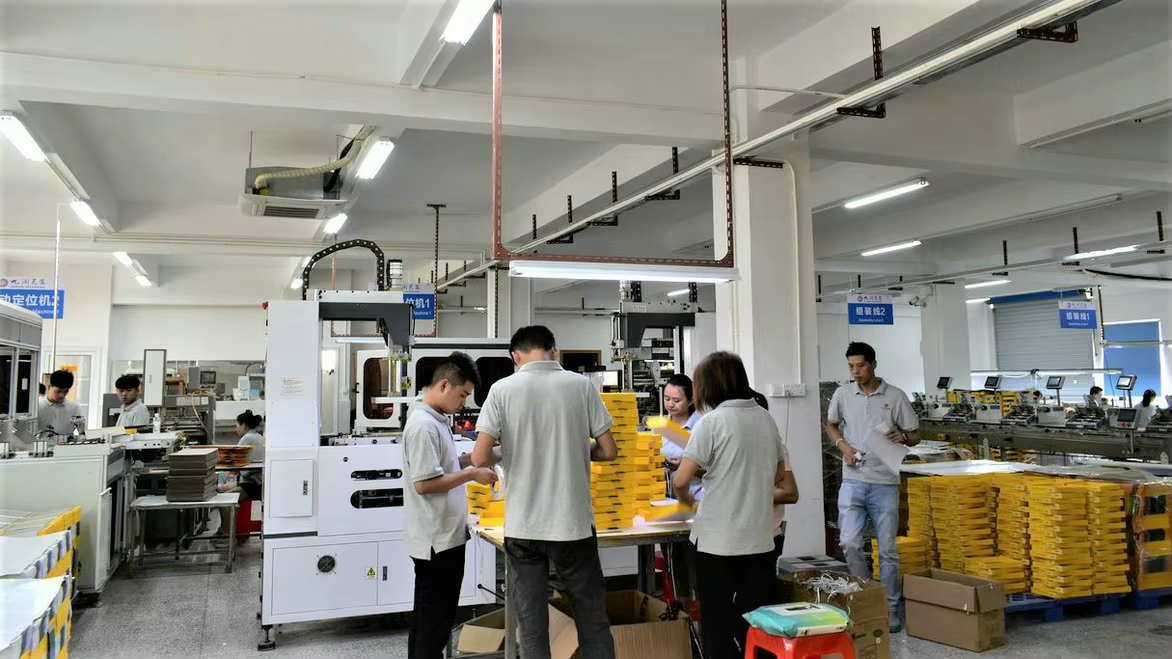
Bulk production starts after structural and artwork approval, followed by QC before shipment.
The fastest way to get the wrong mailer is to quote from “box size + logo” only. Send the information below and we can quote the structure, board and print as one working system.
Exact L × W × H, packed weight, fragility and number of units per mailer.
How the order is packed, whether inserts/tissue are added and whether returns matter.
Destination market, parcel route, 3PL requirements and whether the mailer ships directly.
Trial quantity and expected repeat volume, because run size affects the efficient print and converting route.
Outside only, inside message or full inside/outside artwork, plus Pantone-critical colors if required.
Launch date or warehouse delivery date so sampling, production and freight can be planned backward.
Send the actual product length, width and height plus the fully packed weight. If the box holds multiple items, tissue, a retail carton or an insert, include those in the packout description. We use that information to determine the internal size and working clearance.
E-flute is commonly considered when a compact profile and cleaner print surface are priorities. B-flute is considered when the product or box footprint needs more stiffness and cushioning. The final choice should be confirmed on the actual size, weight and distribution route rather than selected from product category alone.
Many corrugated mailers are designed for direct parcel delivery, but whether your product should ship without an outer carton depends on its weight, fragility, packout and carrier handling. If the protection requirement exceeds the mailer format, we may recommend a stronger corrugated construction or a separate shipping carton.
Yes. Current Yingye capabilities include inside and outside printing, CMYK and Pantone/PMS options. We recommend print coverage based on the liner, artwork, run size and how much of the packaging is genuinely customer-facing.
Tear-strip openings, return-related adhesive features and several insert types can be developed where the project requires them. These features should be defined before the dieline is finalized because they change panel geometry, material use and the packing sequence.
We right-size the internal packout, control unnecessary void space and account for board and insert thickness before the external dimensions are locked. Parcel carriers may use package volume when calculating billable weight, so dimensional efficiency should be considered before artwork and production.
Our standard MOQ is 500 pieces per design and size. Specialty materials, complex inserts or unusual structures may require a different production minimum and should be confirmed at quotation.
Send your product dimensions, packed weight, quantity, destination and artwork requirement. We can then recommend the box structure, flute, insert and print specification instead of quoting an incomplete box description.